


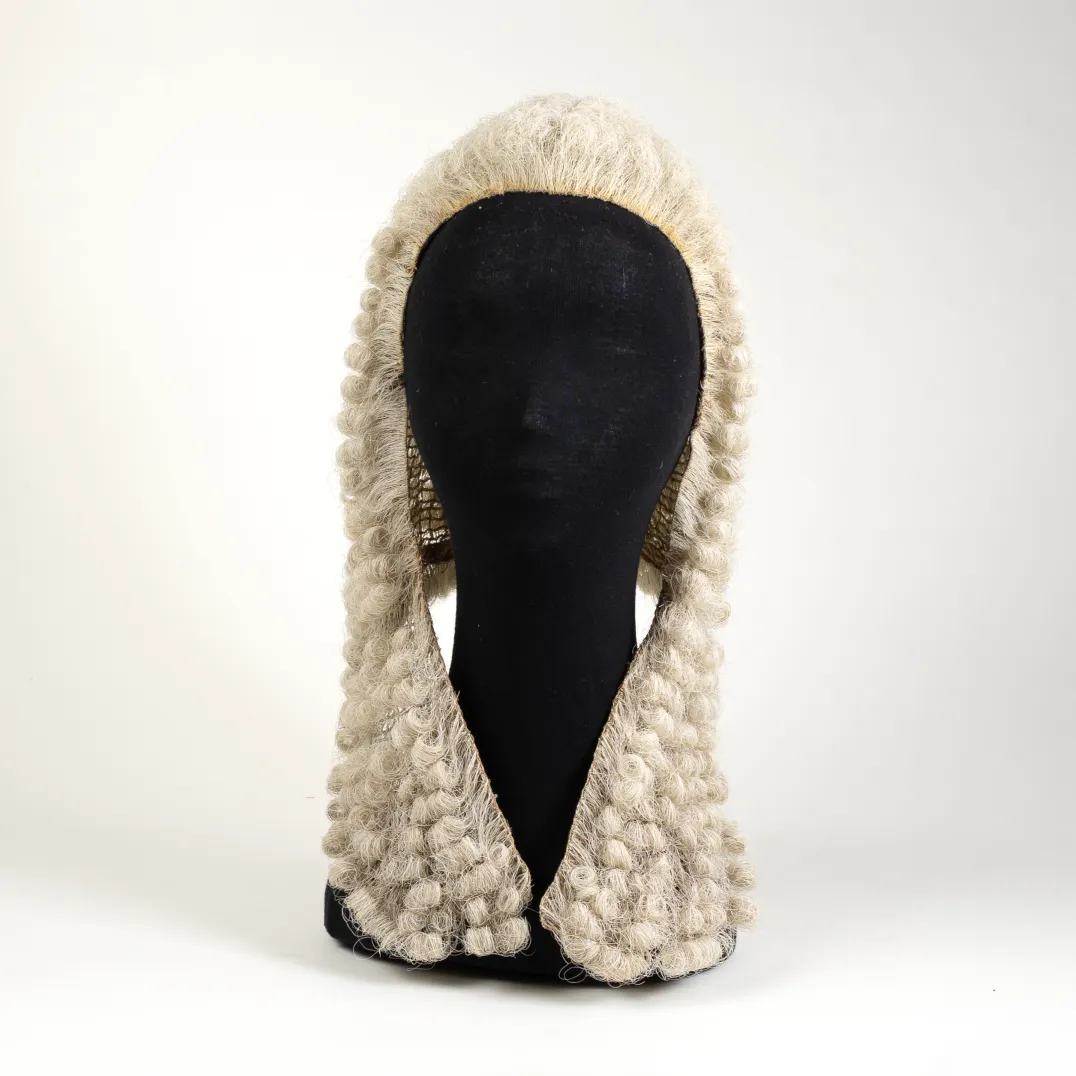
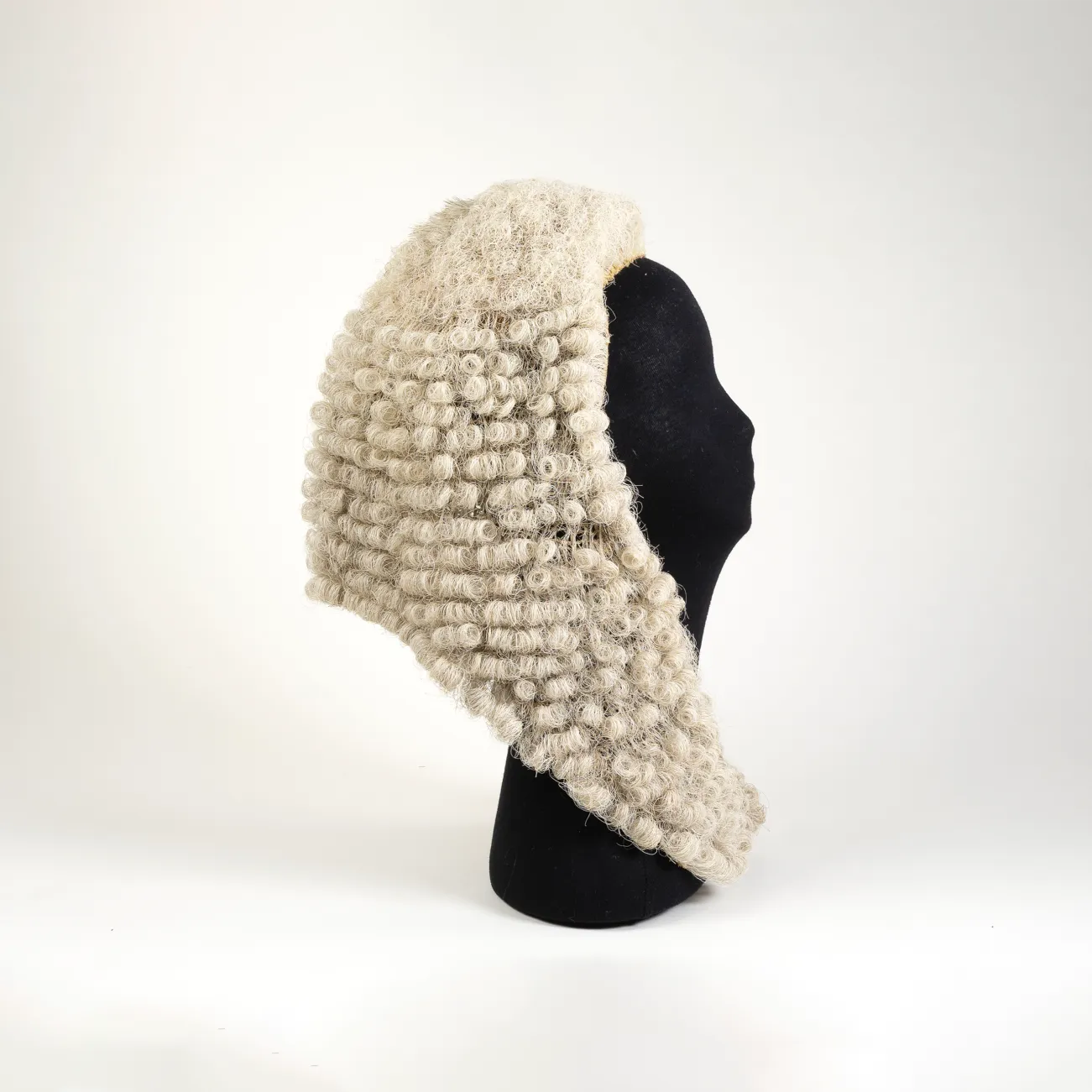

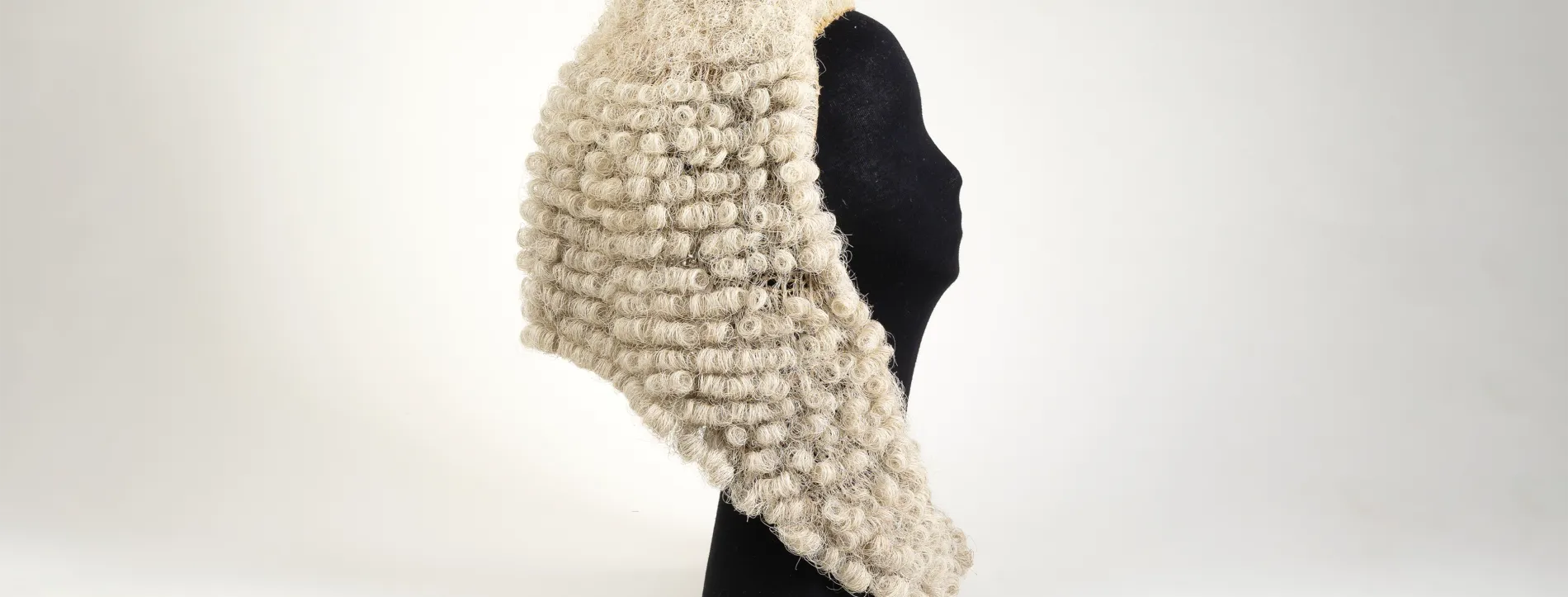
Wig formerly worn by the Speaker of the House of Representatives
A symbol of impartiality in parliament.
This wig was used by various Speakers of the House of Representatives between 1940 and 1983. It was donated to the parliament by Herbert Vere 'Doc' Evatt when he became a member of the House of Representatives. Evatt had previously been a High Court judge, and upon his switch from the judiciary to the legislature, he felt it appropriate to gift his wig and gown, symbols of impartiality and wisdom, for the Speaker to use when presiding over the chamber. Evatt himself was never Speaker.
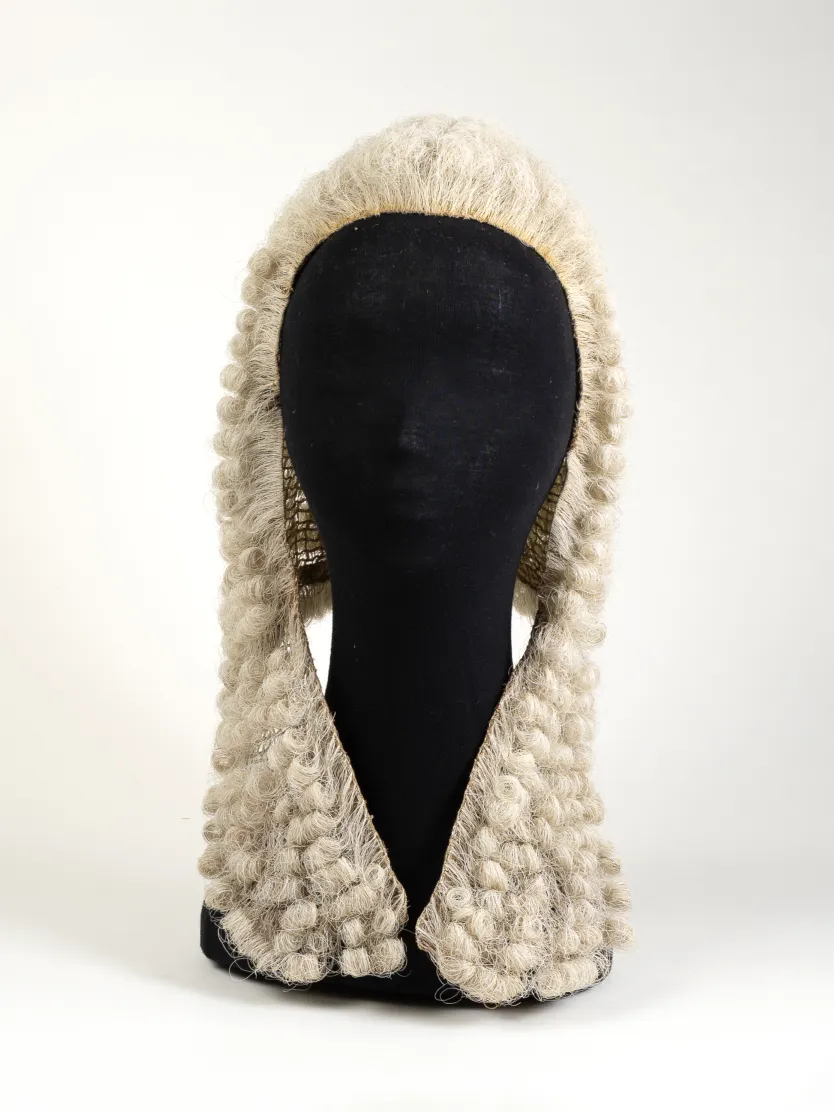
Speaker's wig formerly used by H.V. Evatt as a High Court judge, about 1930.
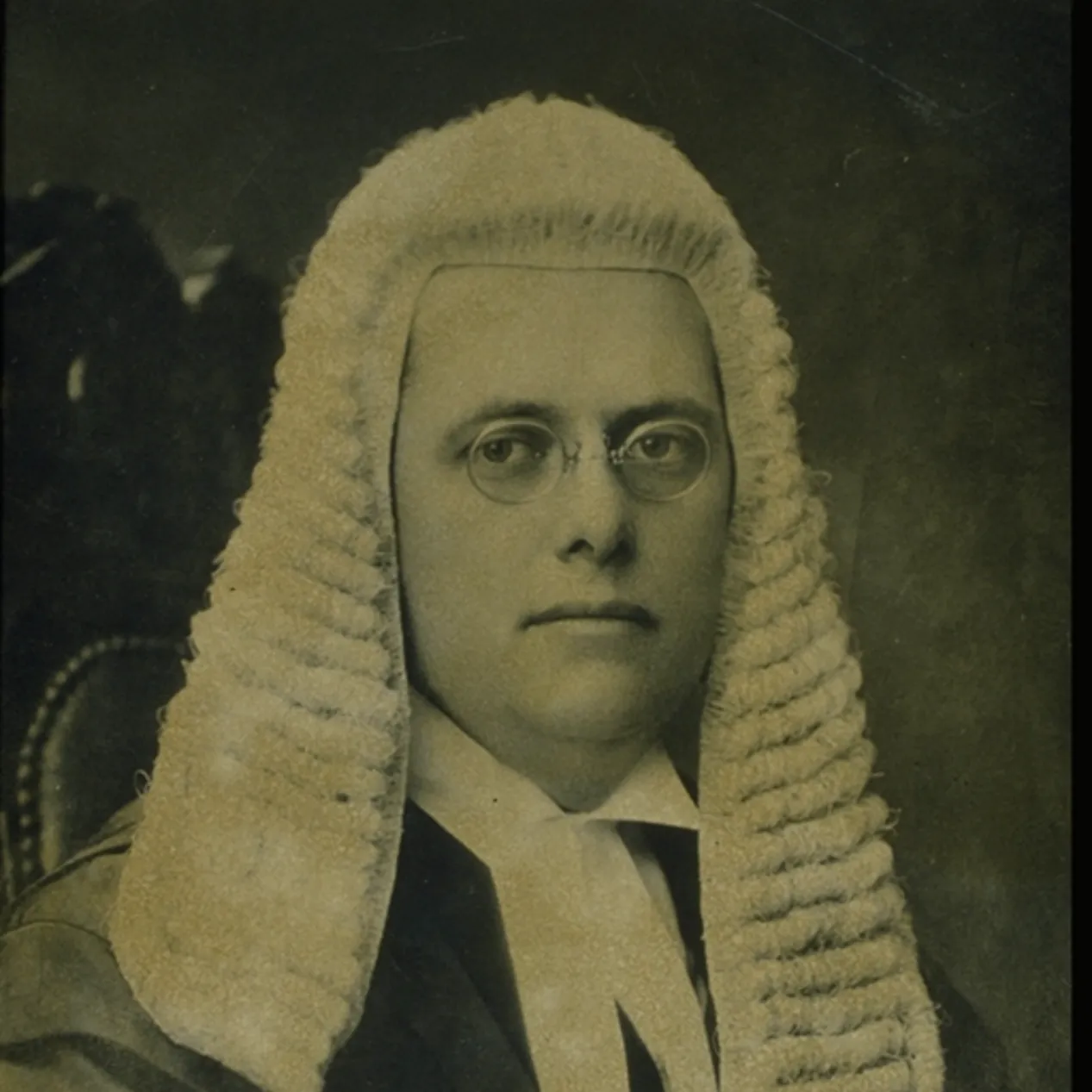
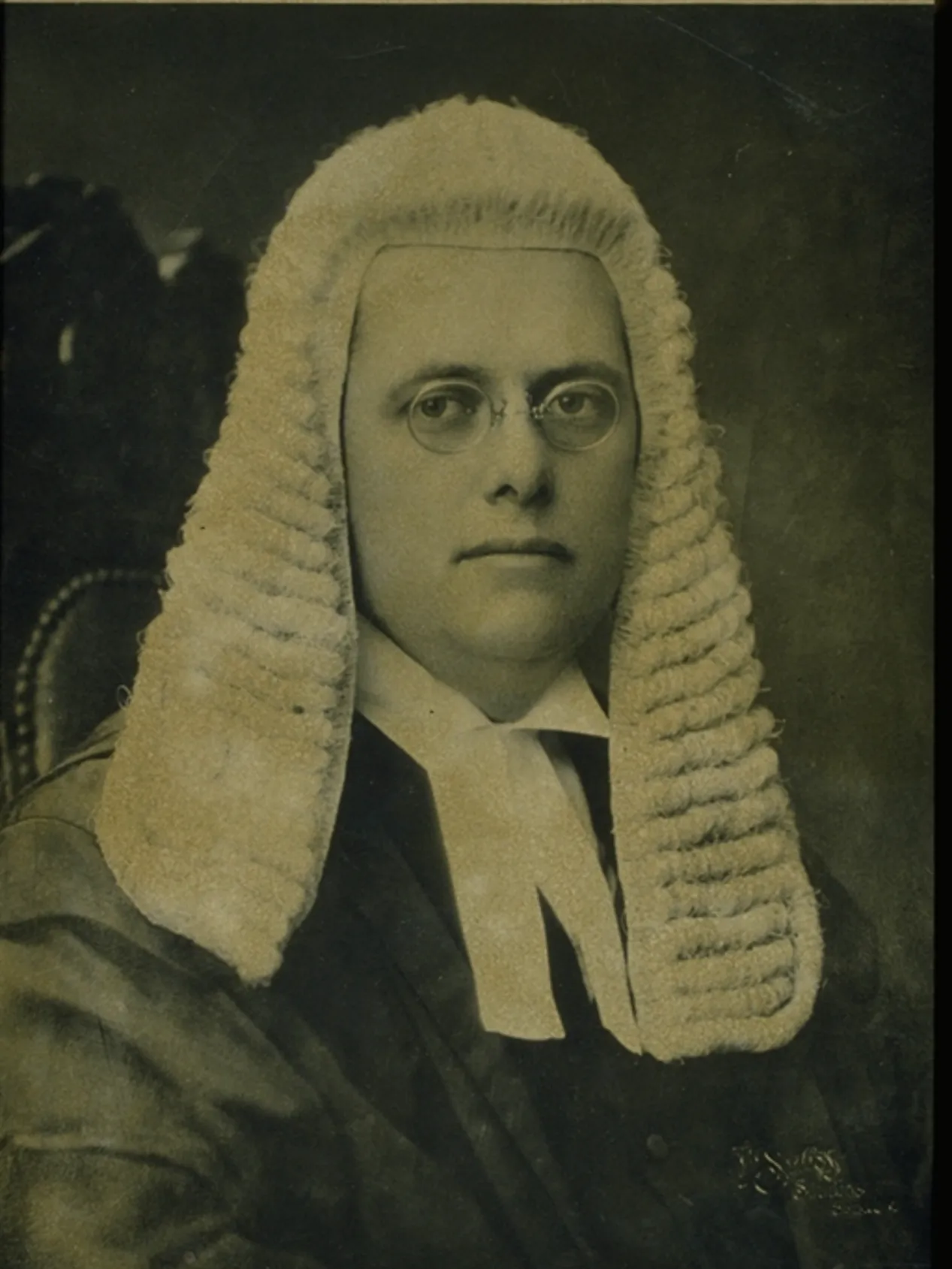
Hebert Vere 'Doc' Evatt (1894–1965) was a judge of the High Court from 1930 to 1940. He is the youngest person ever appointed to the High Court, aged 36. Photograph courtesy of Flinders University, 1939
The Speaker traditionally wore a wig and gown, following the centuries-old British tradition, but the tradition was not universal. The first Labor Speaker, Charles McDonald, refused to wear them after becoming Speaker in 1910, instead opting for his normal business attire. He also had the mace, which he considered a barbaric symbol of warfare, removed from the House of Representatives chamber. Subsequent Labor Speakers followed this precedent, with non-Labor Speakers continuing to wear the wig and gown and re-introducing the mace. Other traditional Speaker's clothing included a lace collar or jabot, lace cuffs, and sometimes a white bow tie.
This particular Speaker's wig was probably first worn by Sir Walter Nairn in 1940; before that, Speakers were required to provide their own.
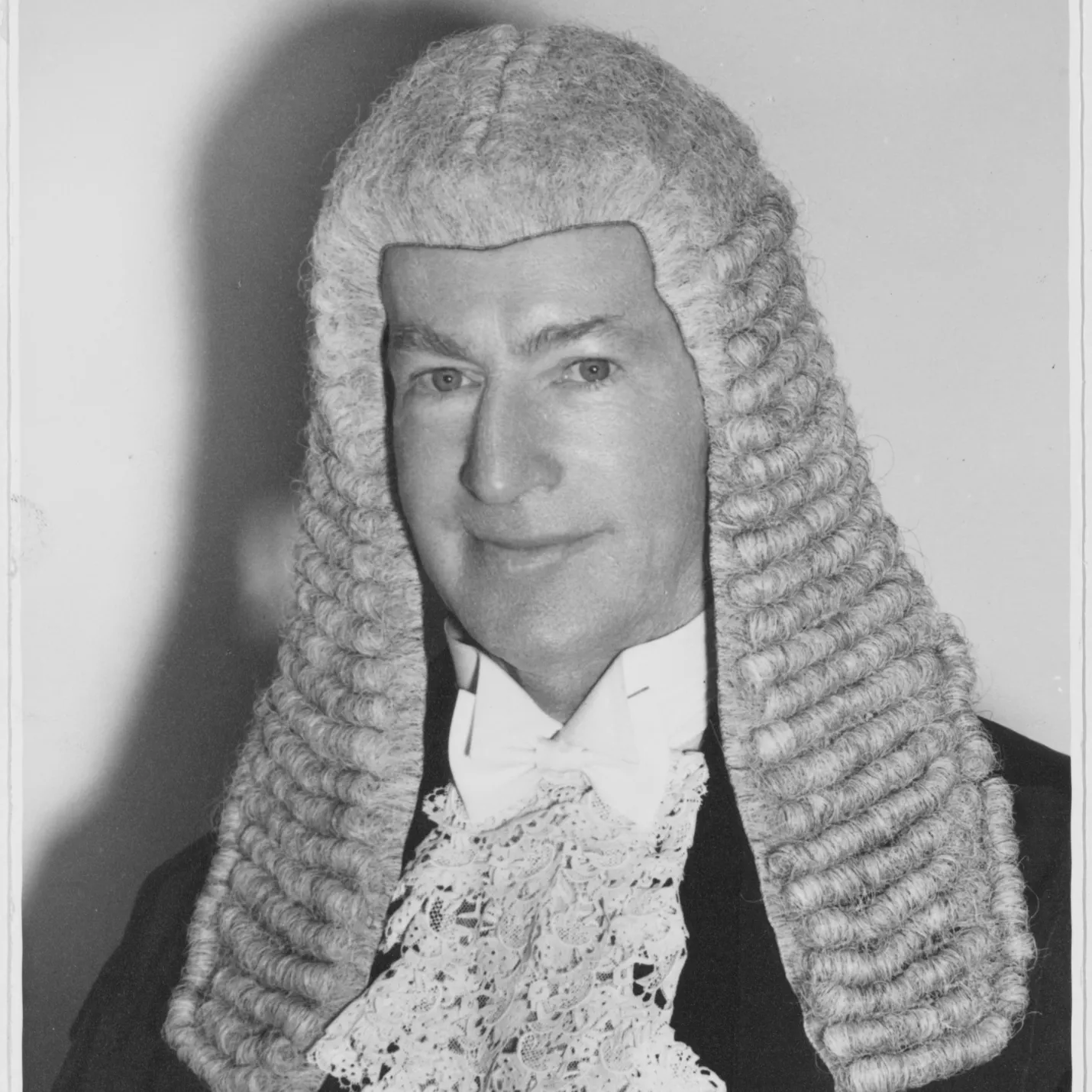
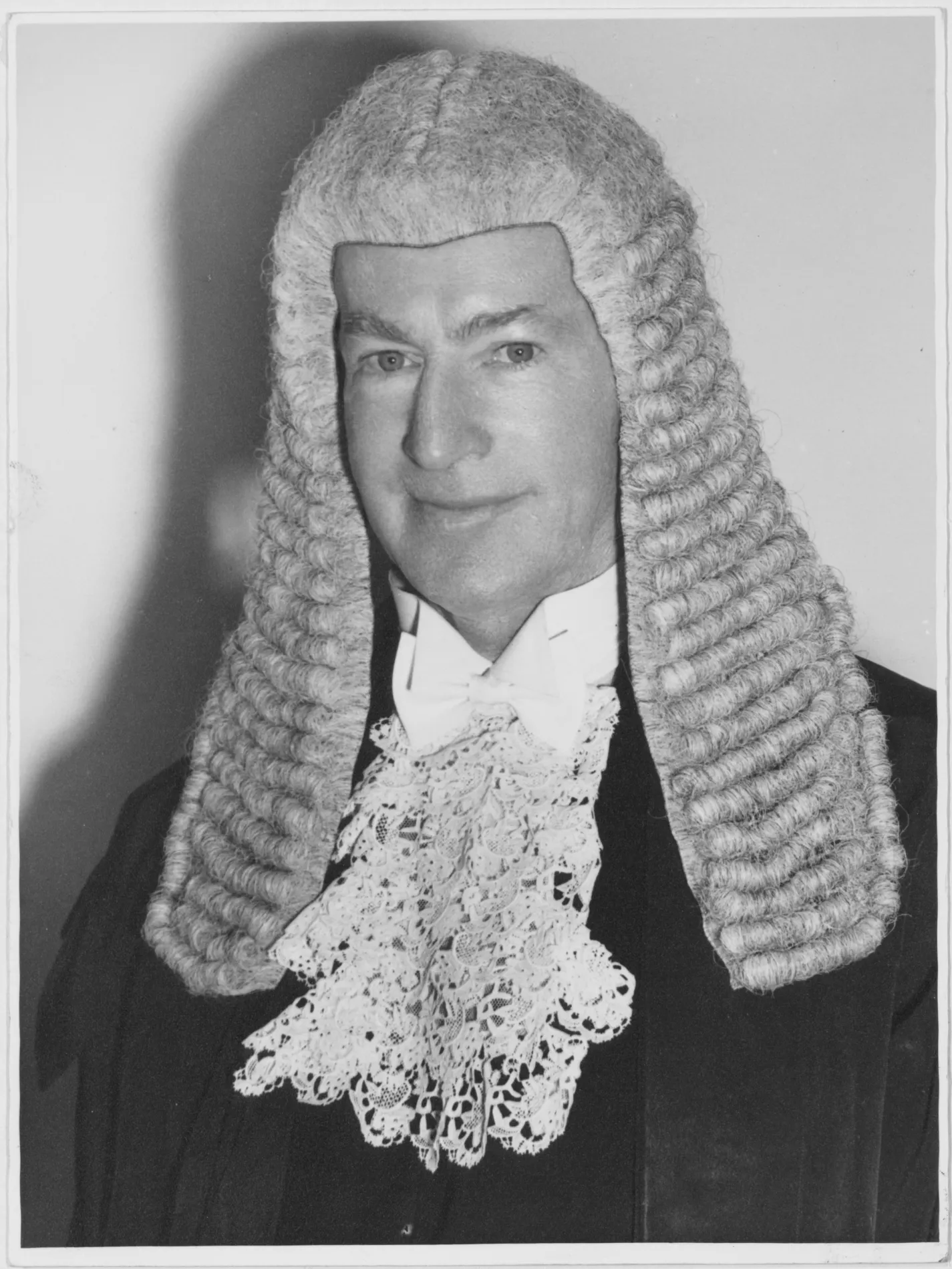
Sir Walter Nairn (1879–1958) was probably the first Speaker to wear this wig. Representing the United Australia Party, he was Speaker from 1940 to 1943 when he was defeated for re-election to the House. Photograph courtesy of the National Library of Australia
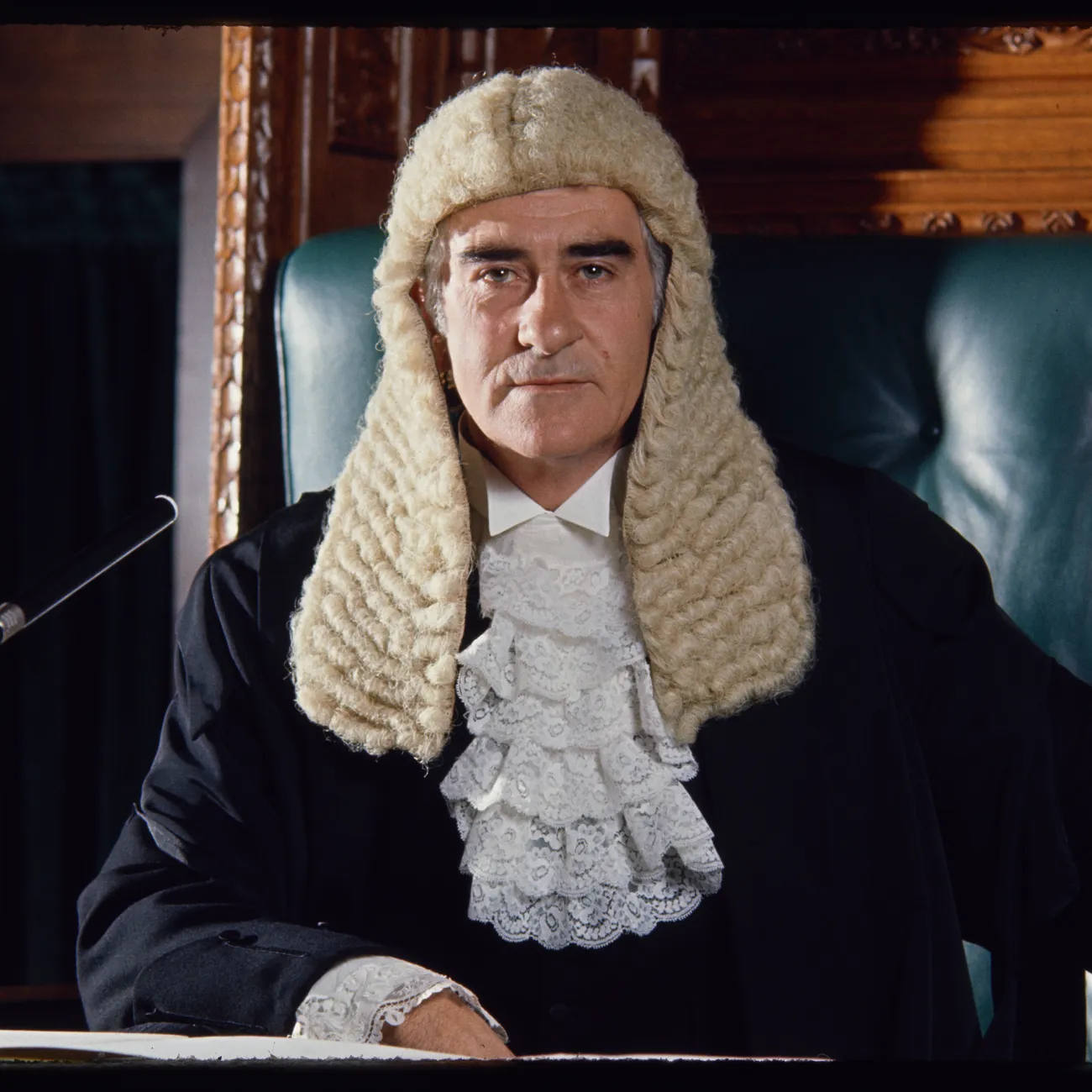
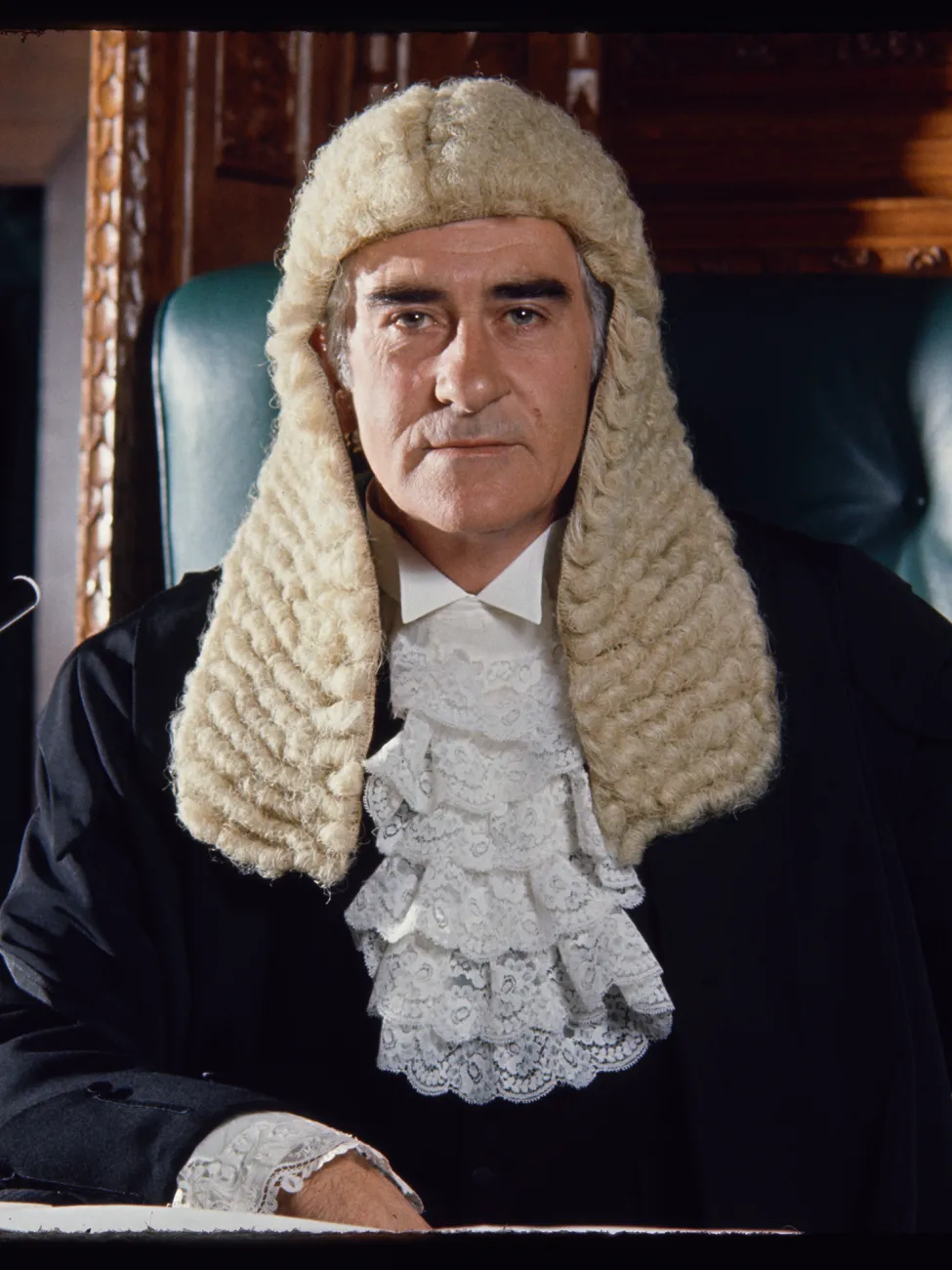
The final Speaker to wear this wig was Sir Billy Snedden (1926–1987). A former Liberal cabinet minister and Leader of the Opposition, Snedden believed strongly in the importance of an impartial Speaker and was highly regarded in this role. Photograph NAA: A6135, K10/5/76/4
This wig was certainly the one worn by Sir Billy Snedden as Speaker from 1976 to 1983. He was the last Speaker to wear the wig. The next Liberal Speaker, Bob Halverson, took office in 1996 and decided against the wig, retaining the gown. The rest of the formal attire has gradually disappeared; the last Speaker to wear the gown was David Hawker in 2007. Since 2012, all Speakers have worn ordinary business attire while presiding.
What does the Speaker do?
The Speaker is the presiding officer of the House of Representatives. They chair meetings of the House in session, ensuring members follow the rules and that debate is orderly. Early Speakers in England were expected to be parliament's official spokesperson, publicly speaking on behalf of the chamber. Despite the name, the Speaker rarely speaks in debates. The Speaker is expected to behave in an impartial manner and does not usually get a vote on a bill or motion, except to break a tie.
You may also be interested in...
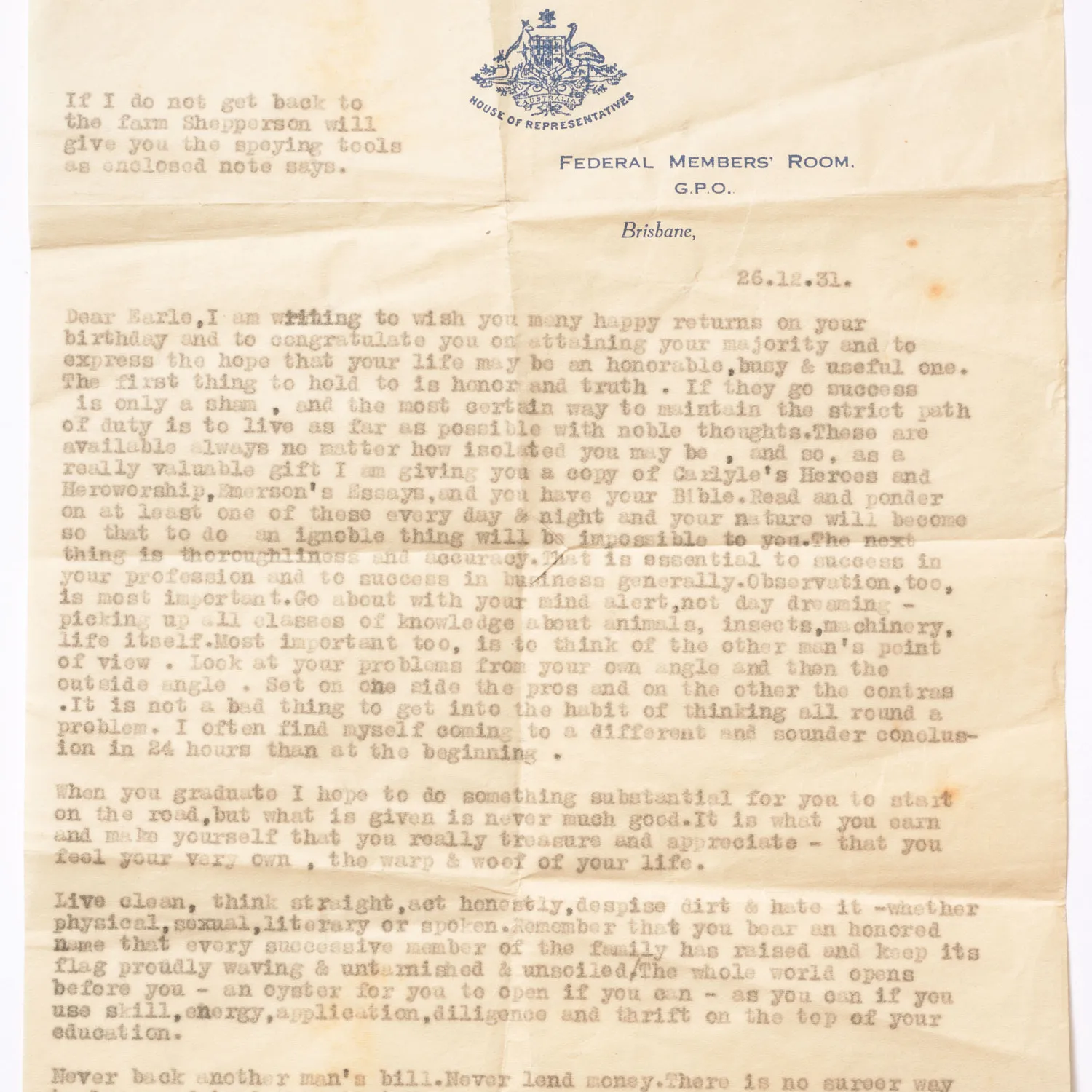
Letter from Earle Page to his son on his 21st birthday
Fatherly advice from a future prime minister.
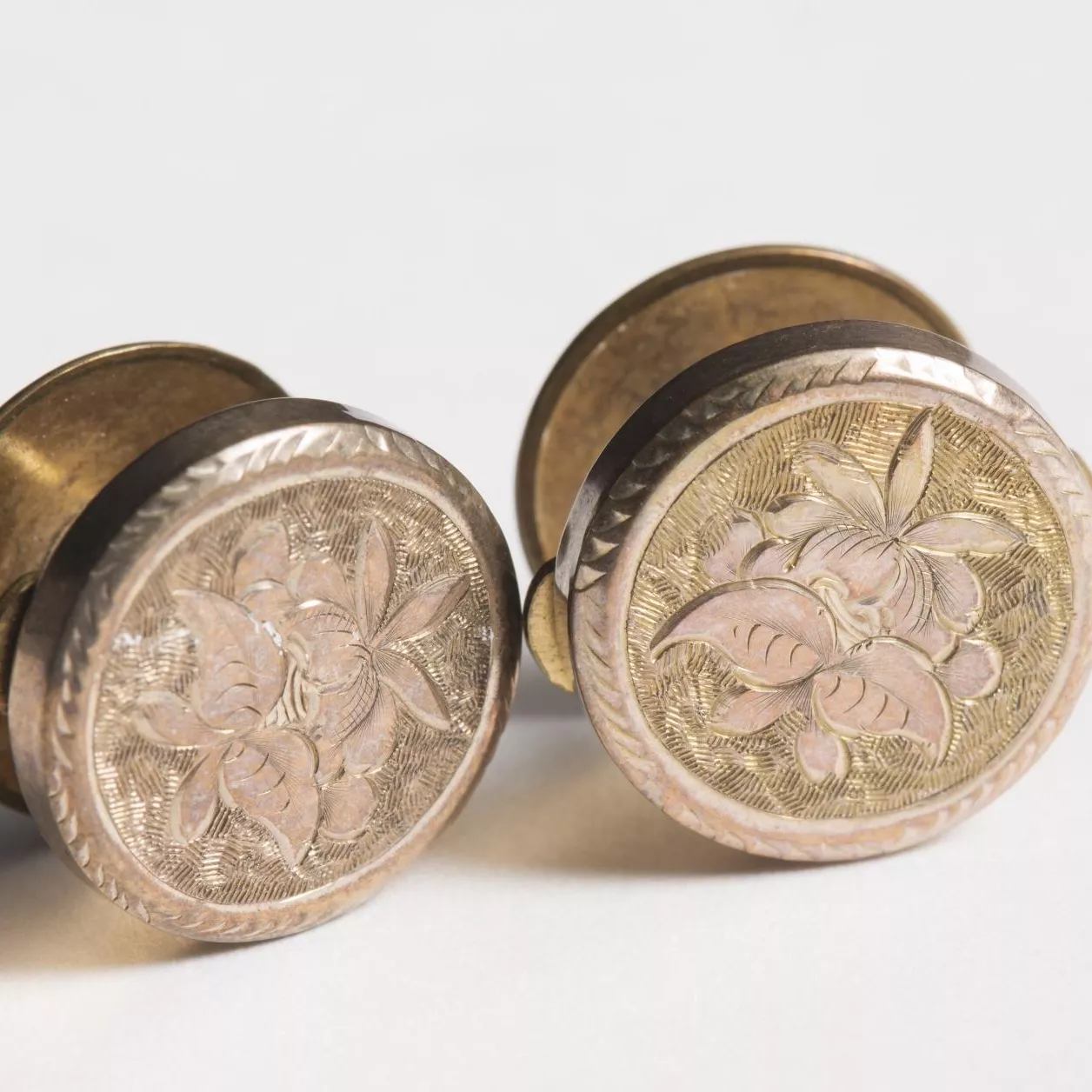
Court dress cufflinks and vesta case
These decorated cufflinks were part of a court dress uniform for the Minister for External Affairs.
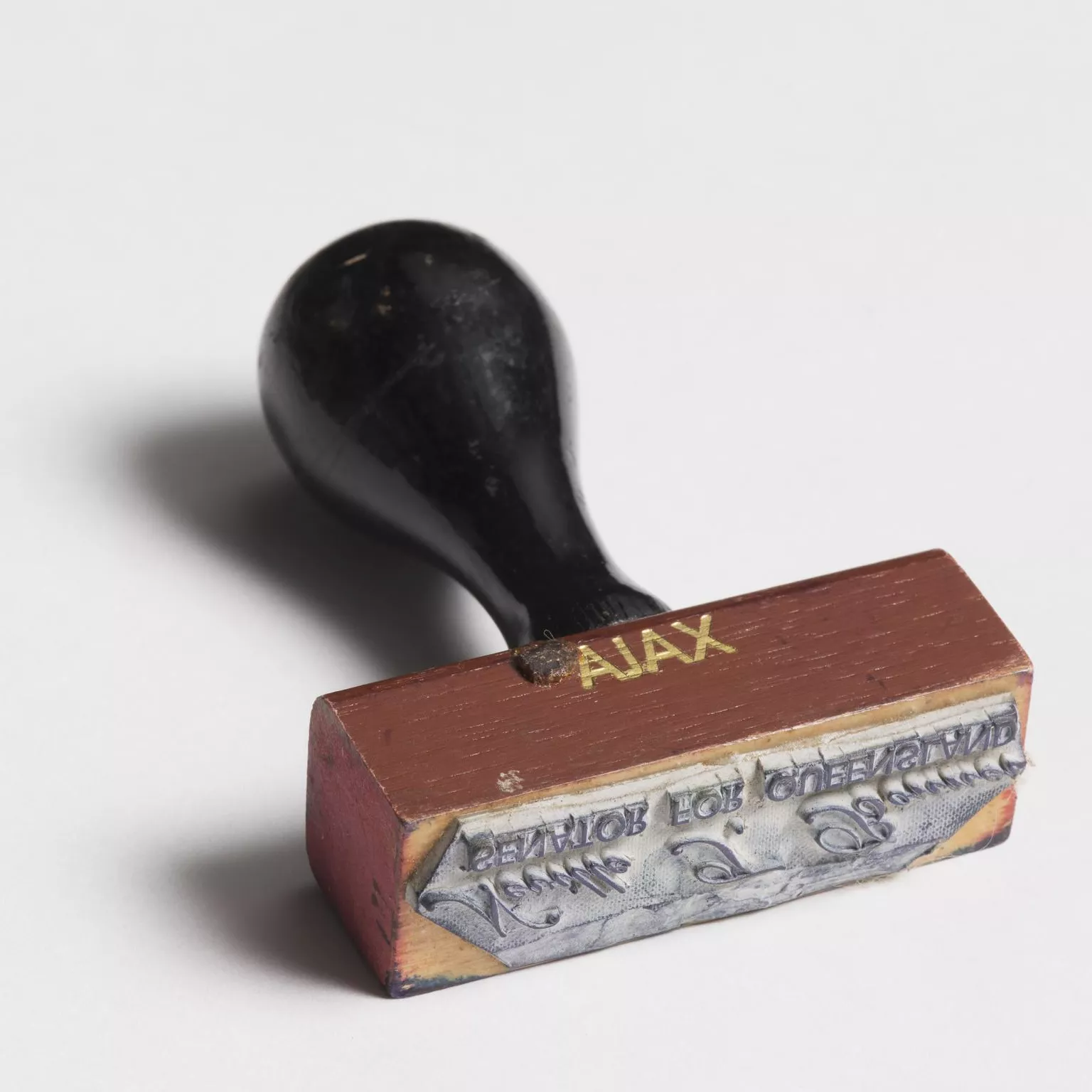
Neville Bonner's stamp
Neville Bonner used this to give his stamp of approval during his time in parliament.

Political chess set by Douglas Pearce
A chess set with pieces made to look like federal politicians.
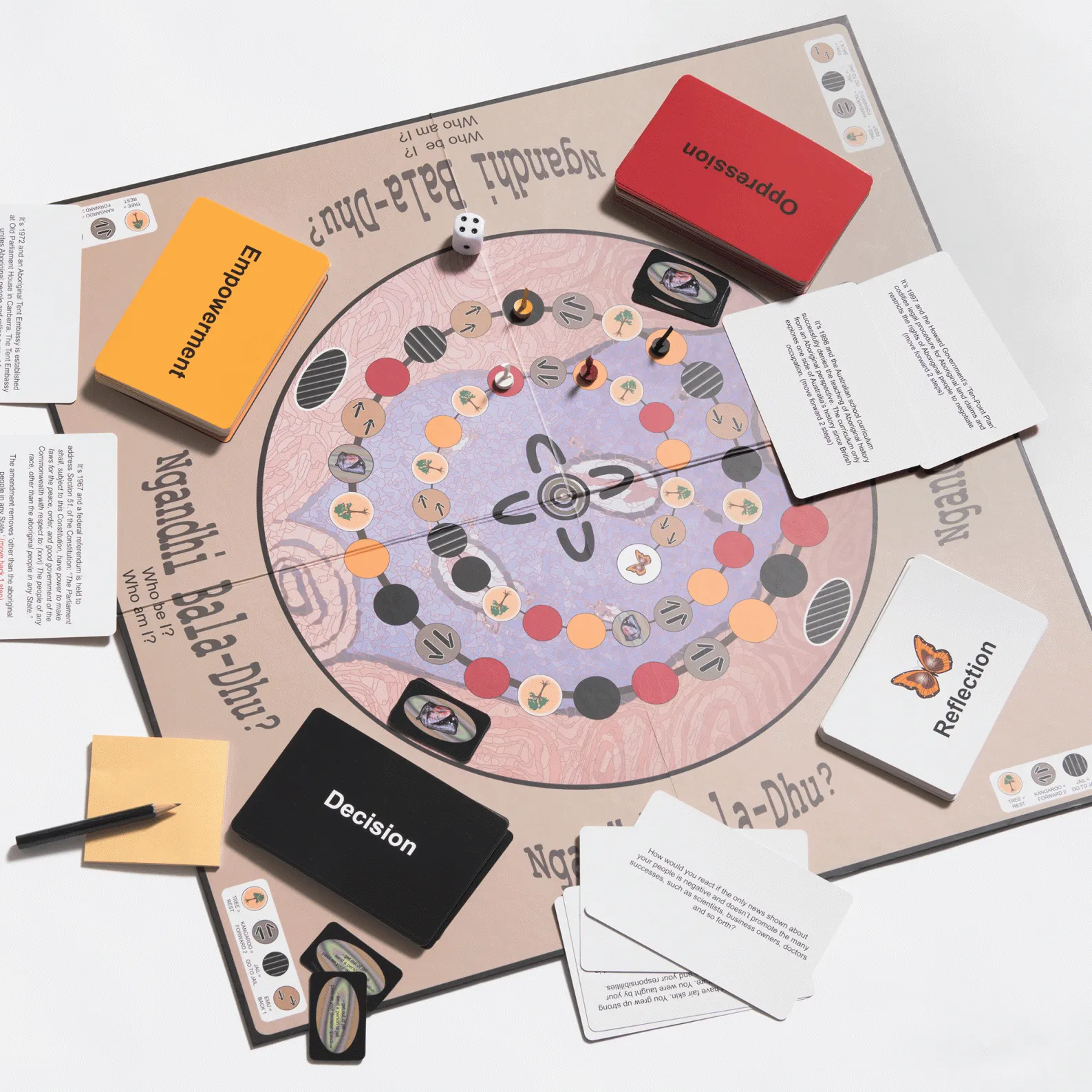
First Nations cultural awareness board game: Ngundi Bala-Dhu?
A board game about First Nations history and culture.

Women's Electoral Lobby vinyl record
Music with a message.
