


Memorable marches in Australian history
How protest marches can influence a nation.
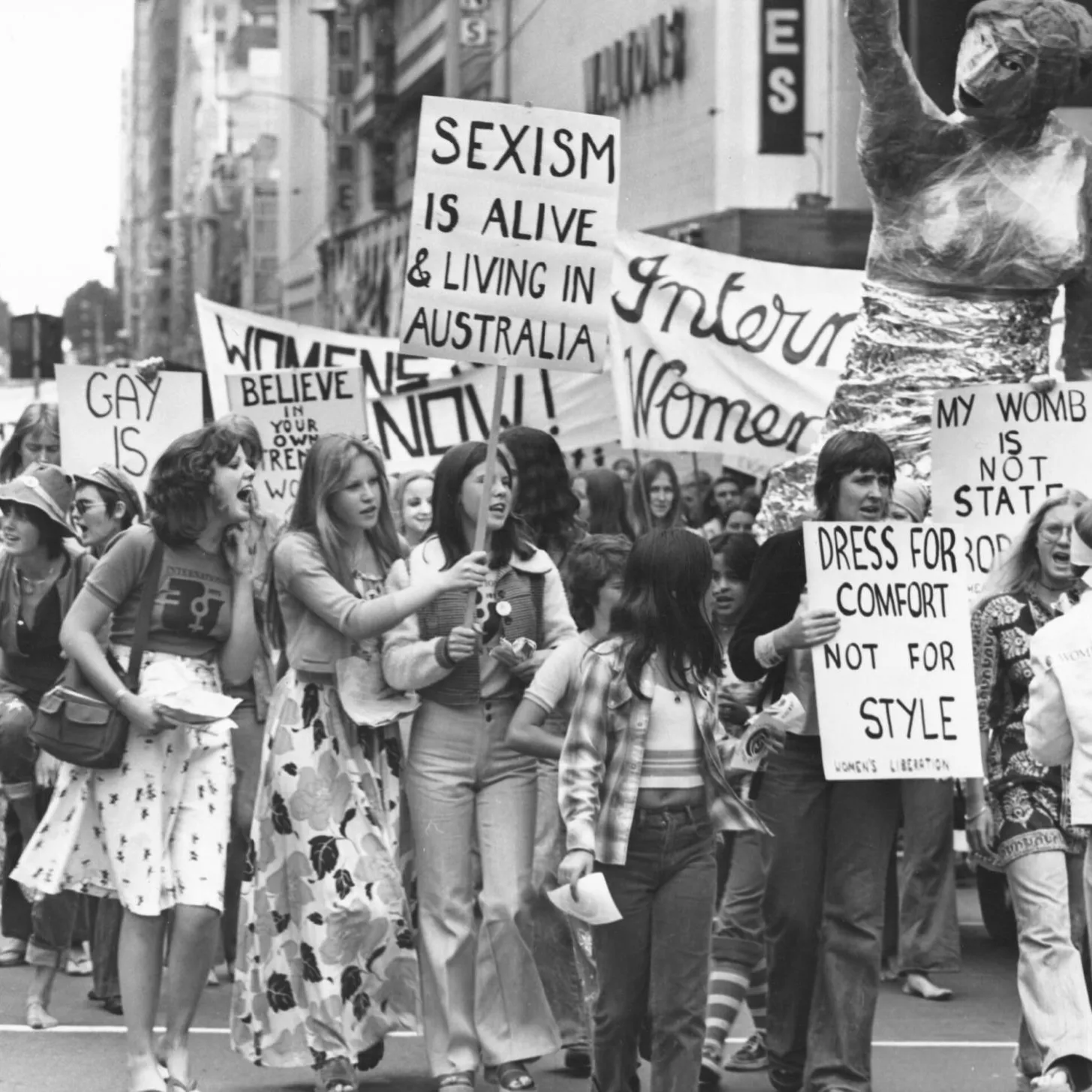
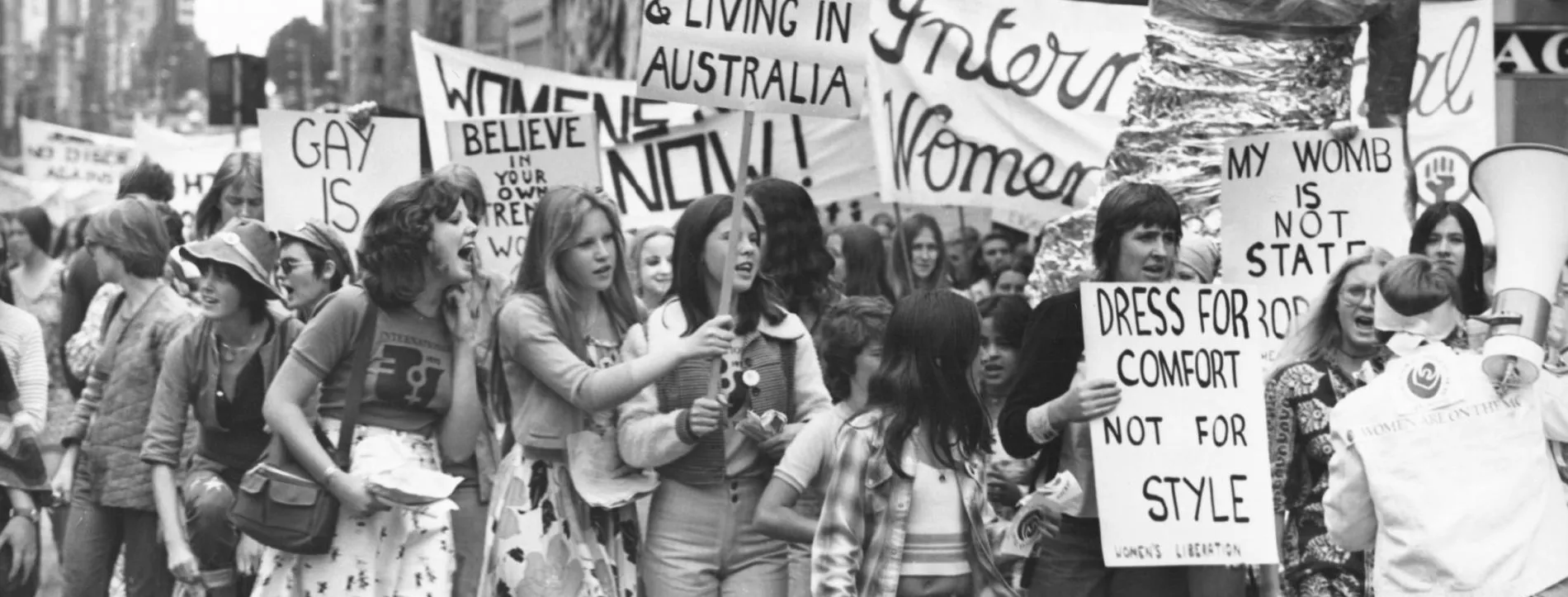
International Women's Day, Melbourne, 8 March 1975
Women have marched around the world for a variety of causes for over a century. International Women's Day marches became more popular in the 1970s as the women's liberation movement gained momentum.
The first International Women's Day rally held in Australia was in Melbourne on 8 March 1975. Around 3,000 to 5,000 people attended the rally to raise awareness of gender inequality and demand change to end discrimination against women. That year, March 8 was officially recognised by the United Nations as International Women's Day and has been celebrated around the world annually since then.
In addition to International Women's Day being recognised, the United Nations declared 1975 International Women's Year. To support this and show its commitment to women's rights, the Whitlam government allocated $2 million for programs and events across 1974 – 1975, and appointed Elizabeth Reid as the special adviser to the prime minister on women's issues.
The Whitlam government dismissal, Canberra, 11 November 1975
On 11 November 1975, Governor-General Sir John Kerr used his reserve powers to dismiss the Labor government of Gough Whitlam. It is the first and, so far, only time an Australian prime minister and their government have been dismissed.
Late in the afternoon of that remarkable day, a defiant Whitlam stood on the front steps of Parliament House and made a memorable speech in front of an angry and vocal crowd. Demonstrations in support of Whitlam occurred around Australia that afternoon and in the following days. Despite the vocal support for Whitlam, at the December 1975 election, the Liberal-National Country Party Coalition led by Malcolm Fraser and Doug Anthony won a landslide victory over Labor. The second Fraser Ministry was sworn in on 22 December 1975 by Governor-General Sir John Kerr.
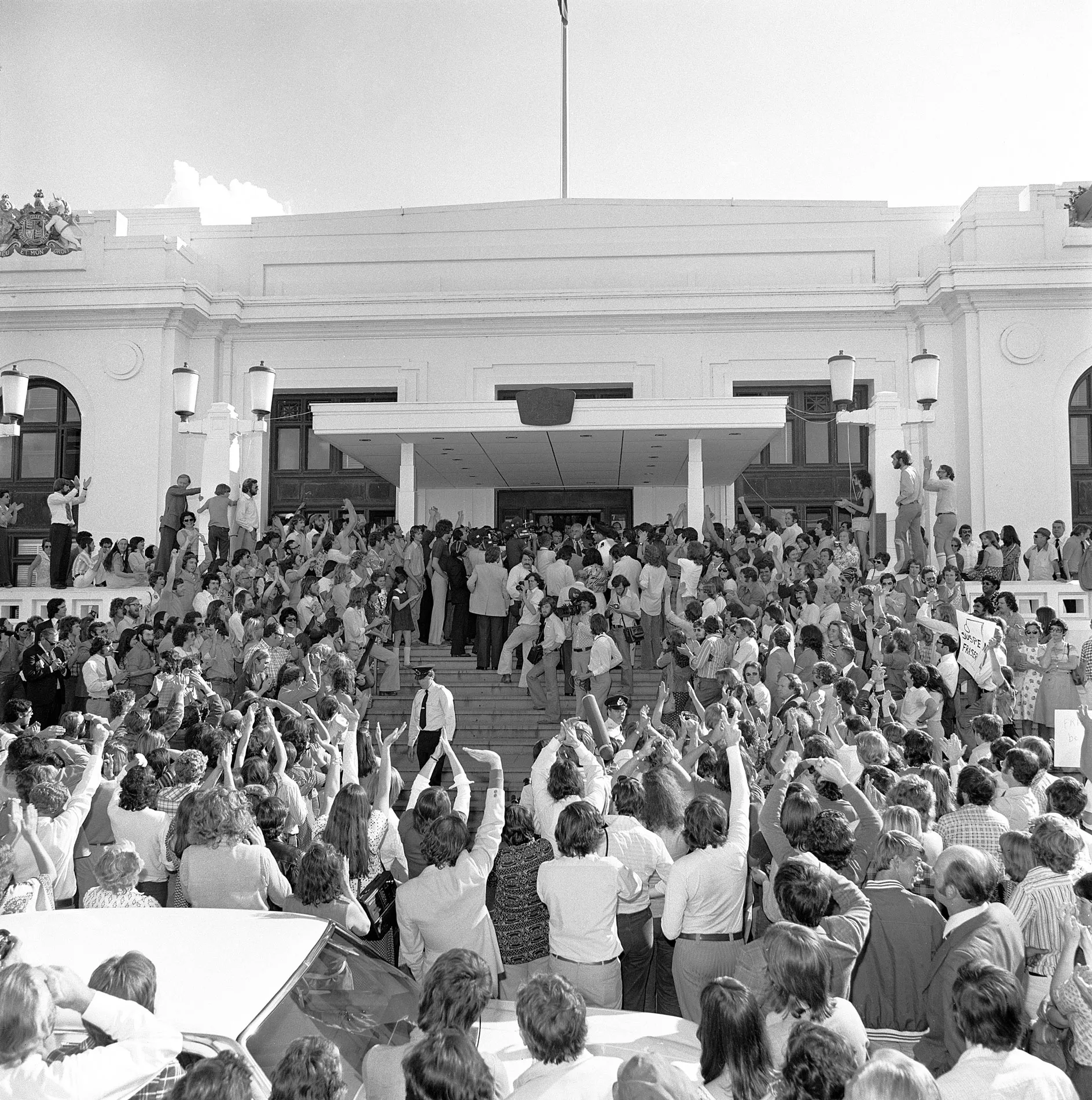
Crowds outside Parliament House after the dissolution of parliament, 11 November, 1975.
Photograph: NAA A6180, 13/11/75/35
The first Mardi Gras, Sydney, 24 June 1978
Following the clash between police and gay rights activists in Greenwich Village, New York outside the Stonewall Inn in 1969, there was a wave of political activism for gay rights. On 24 June 1978, nine years after the Stonewall uprising, a daytime march and evening parade organised by lesbian and gay organisations took place in Sydney to mark the uprising.
Approximately 1,000 people participated in the morning march and evening parade along Oxford Street, with some participants dressing up in fun outfits and costumes. The evening parade ended with numerous arrests, sparking protests and marches centred on a 'drop the charges' campaign. Most of the charges had been dropped by April of the following year, and the parade became known as the first Gay and Lesbian Mardi Gras, an event held in Sydney each year.
Farmers against tax increases, Canberra, 1 July 1985
On 1 July 1985, on the first day of a national tax summit hosted by Prime Minister Bob Hawke, 45,000 farmers gathered in front of Parliament House in one of Canberra's largest demonstrations to protest taxes on fuel and other taxes imposed on primary producers. New tax reforms were announced after the summit, however one of the proposed taxes never became reality, and the farmers considered the rally a success.
Image credit: Farmers protest at Parliament House, 1985. Photograph: MoAD collection
The walk for reconciliation across Sydney Harbour Bridge, Sydney, 28 May 2000
On 28 May 2000, approximately 250,000 people walked across the Sydney Harbour Bridge to demonstrate support for reconciliation between Australia's Indigenous and non-Indigenous peoples. The walk was part of the two-day Corroboree 2000, with an event held at the Sydney Opera House on 27 May 2000 where the Council for Aboriginal Reconciliation's two key documents, the Australian Declaration Towards Reconciliation and the Roadmap for Reconciliation, were presented to Governor-General Sir William Deane, Prime Minister John Howard and other non-Indigenous leaders. Similar events took place all around Australia after the Sydney Harbour Bridge walk. By the end of 2000, nearly 1 million people had taken part in walks for reconciliation.
Key developments and legislation following the walks include the establishment in 2001 of Reconciliation Australia, the lead national organisation for reconciliation; Prime Minister Kevin Rudd's National Apology to the Stolen Generations in 2008; and the Aboriginal and Torres Strait Island Peoples Recognition Act (2013).
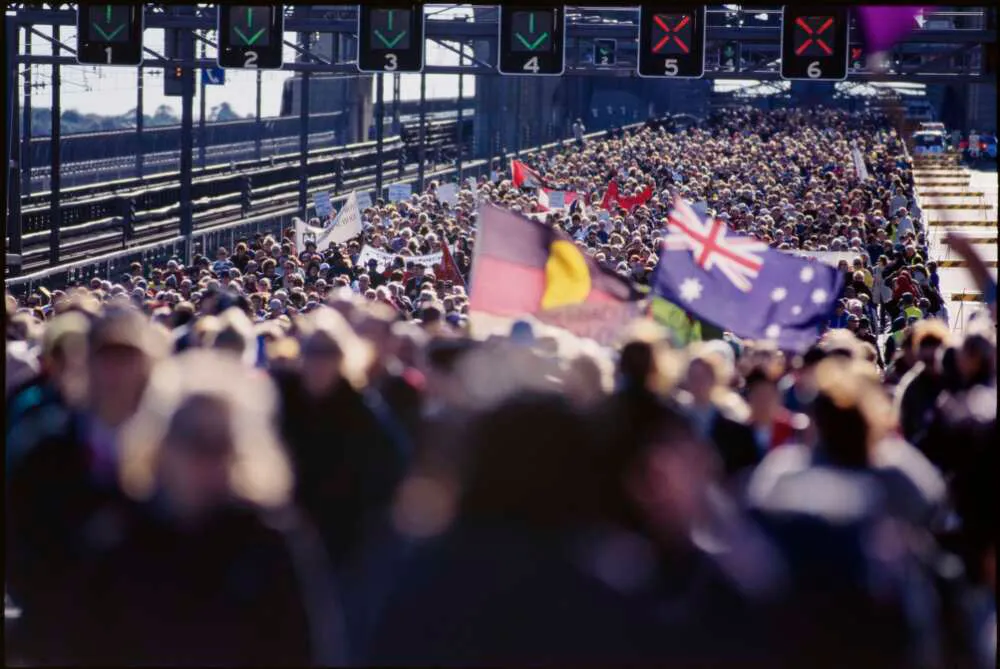
A huge crowd on Sydney Harbour Bridge during the Walk for Reconciliation, Corroboree 2000, on 28 May 2000.
Photograph by Loui Seselja, National Library of Australia: nla.obj-145680129
Protest against the Iraq War, worldwide, 14–16 February 2003
Across the weekend of 15 and 16 February 2003 protests were held in cities around the world, staged in opposition to the imminent US invasion of Iraq. In Australia, the first march was held in Melbourne on Friday 14 February. Over the weekend, marches were held in all other Australian capital cities and many regional towns. The largest Australian march was in Sydney, with around 250,000 people taking over the city streets. The largest in the world was in Rome, Italy, where it is estimated 3 million protestors took part.
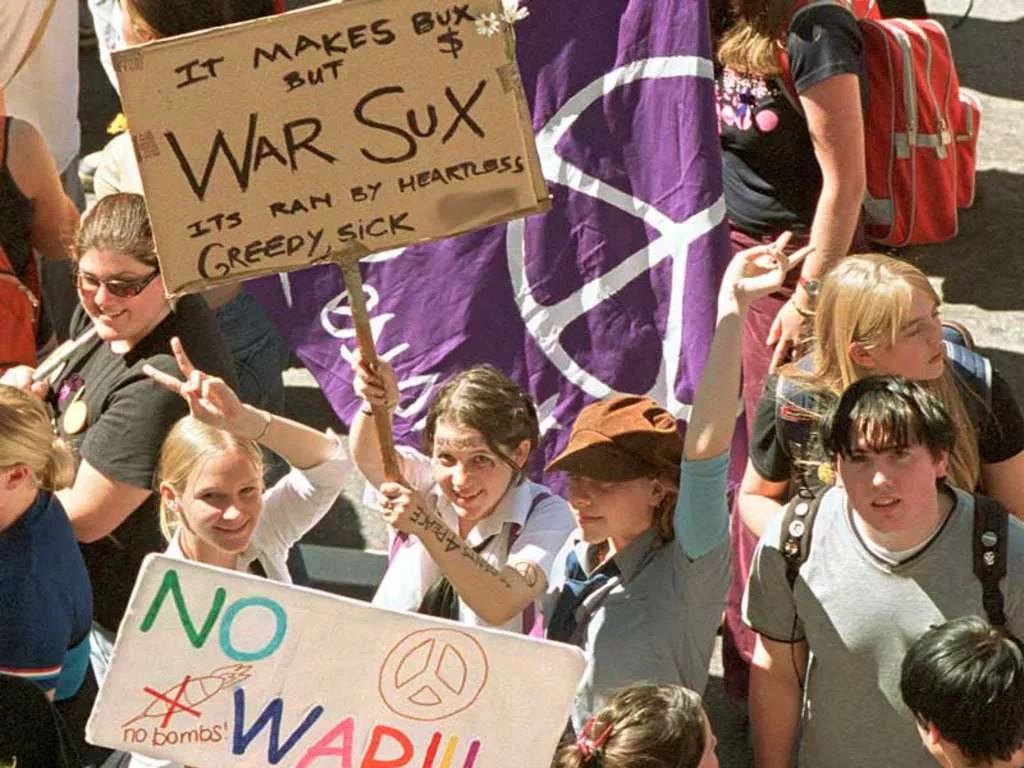
Anti-war protest in Adelaide, 2003.
Photograph Newspix
You may also be interested in...
What is a royal commission?
Your guide to royal commissions in Australia.
Become a tour venue
We love talking to new venues about hosting our Behind the Lines political cartoon exhibition.
What is the secret ballot?
Your guide to the voting method we use in Australia.

1937: Aviation
A 1937 referendum asked Australians if the Commonwealth should regulate air travel.
1928: State debts
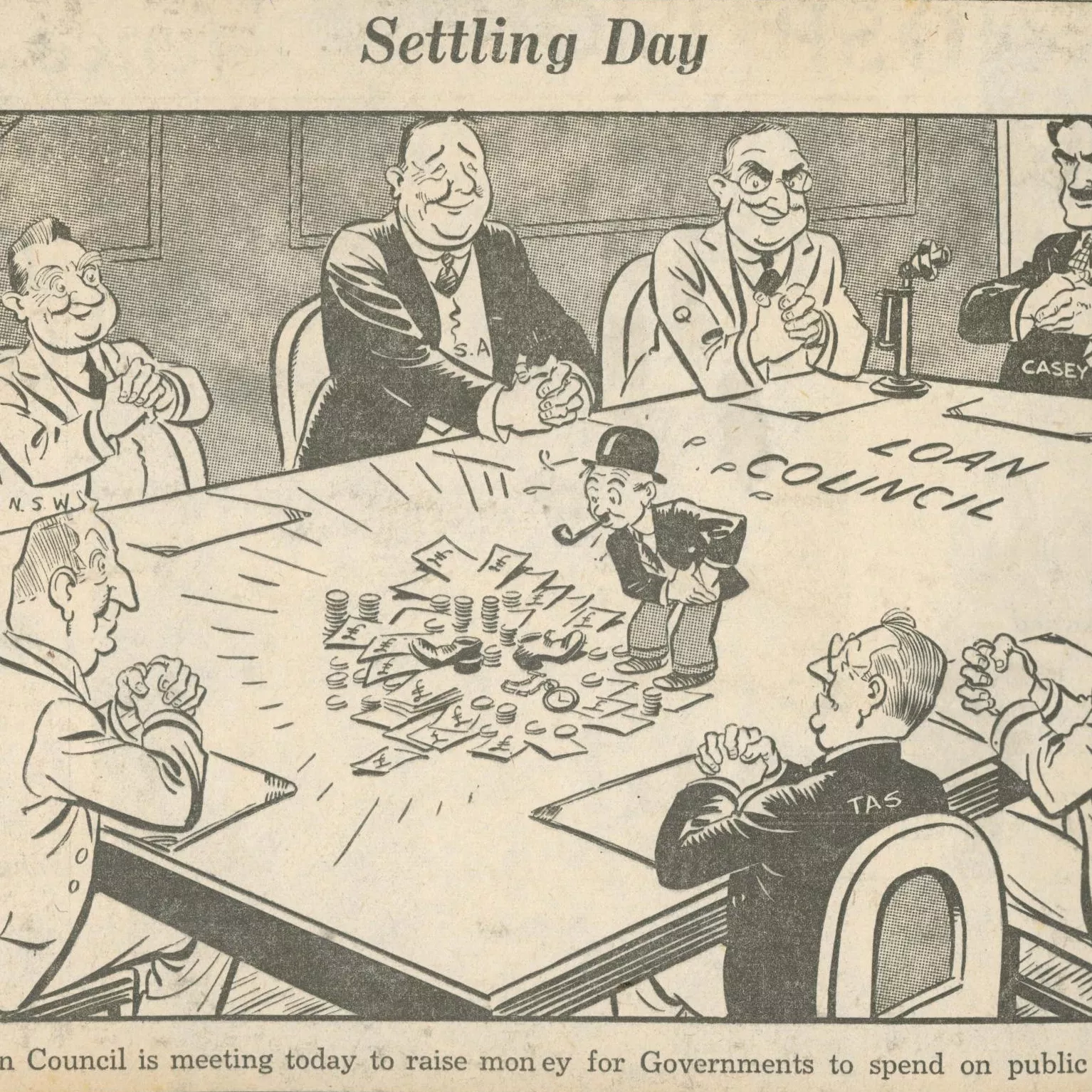
The 1928 referendum asked Australians to change the way finances were managed by the Commonwealth and states.
How elections are called in Australia
The start of the election process explained.
